Ultra-wide lenses define landscape photography. They create dramatic perspectives, capture sweeping vistas, and bring context to a scene in ways no other focal length can match. But choosing one isn't just about how wide it goes—it's about how it handles the real-world tools landscape photographers actually use.
For me, that meant long exposure filters: 10-stop ND filters for daytime motion blur, graduated filters for sky management, polarizers for controlling reflections. These aren't optional accessories. They're core to the kind of photography I do. And filter compatibility turned out to be the single most important factor in choosing an ultra-wide lens.
I tested three lenses at 14mm: the Canon RF 14-35mm f/4 on an R5, the Nikon Z 14-30mm f/4 on a Z8, and a Samyang 14-24mm f/2.8 as a budget reference. I also seriously considered the Sony FE 12-24mm f/4, which offers an even wider field of view but comes with a critical limitation I'll explain below.
This is what I learned after months of field testing with actual filters in real conditions.
The lenses
Here's what I compared:
Nikon Z 14-30mm f/4 — Native Z mount, 82mm filter threads, 14-30mm range, 485g, around 800 euros used. The key detail: screw-in filter threads that work with standard 100mm filter systems.
Sony FE 12-24mm f/4 — Sony E mount (requires adapter on Nikon), NO filter threads, 12-24mm range, 565g, around 1200 euros. An extra 2mm of width is significant at the ultra-wide end. But no way to mount standard filters.
Canon RF 14-35mm f/4 — RF mount, 77mm filter threads, 14-35mm range, 540g, around 1200 euros. Has filter capability but with complications I'll detail below.
Samyang 14-24mm f/2.8 — Third-party option I tested as a reference point. Budget alternative with decent optics but some practical limitations.
All of these lenses are optically excellent. The differences came down to practical usability in the field—especially with filters.
Filter compatibility: the dealbreaker
This is where theory meets reality, and where the Sony FE 12-24mm f/4 got eliminated despite its impressive specs.
Nikon Z 14-30mm: zero compromises
The Nikon has 82mm screw-in filter threads. This means it works perfectly with the standard 100mm NiSi filter system using 82mm adapter rings. I tested it extensively with:
- 10-stop ND filters for long exposures
- Graduated ND filters for dynamic range management
- Circular polarizers for reflections and sky saturation
Result: zero vignetting at 14mm. No dark corners, no need for special holders, no workarounds. Screw the filter on and shoot. The 82mm thread size is large enough that even when you stack the filter holder plus additional circular filters, there's no intrusion into the frame.
This is huge for travel landscape photography. The 100mm NiSi system is the sweet spot—large enough to avoid vignetting on most ultra-wides, small enough to pack efficiently, and affordable compared to larger systems.
Sony FE 12-24mm: no filter threads at all
The Sony 12-24mm f/4 has no filter threads. None. The front element is too large and bulbous to accommodate a standard screw-in filter.
This eliminates every standard filter system. You cannot use:
- Circular screw-in filters
- Standard 100mm filter holders
- Any traditional filter approach
The only option is upgrading to a 150mm filter system. NiSi makes one specifically for lenses like this. But here's what that actually means:
NiSi V7 (100mm) vs S6 (150mm) system comparison:
| System | Total weight | Typical price |
|---|---|---|
| NiSi V7 (100mm) | ~650-750g | ~850-1,000 € |
| NiSi S6 (150mm) | ~1.3-1.6 kg | ~1,600-2,000 € |
The 150mm system is roughly 2× heavier and 2× the cost of the standard 100mm system.
Cost: If you already own a 100mm system (which I did), upgrading to 150mm means replacing everything—holder, adapter rings, and all your filters. The S6 150mm holder alone costs significantly more than the entire V7 100mm starter kit. Filters themselves are larger and more expensive at 150mm.
Weight and bulk: An extra 600-850 grams doesn't sound like much until you're hiking with a full camera kit. The 150mm holder is noticeably bulkier in a pack. For travel landscape photography where every gram counts, doubling your filter system weight is a serious consideration.
Total system cost: Sony lens (~1200 euros) + Megadap adapter for Nikon (~150 euros) + 150mm filter system upgrade (~500+ euros for holder and replacing key filters) = around 1850 euros minimum. Compare this to Nikon 14-30mm (~800 euros) that works with the filter system you already own.
For landscape photographers who don't use filters regularly, the Sony 12-24mm might be worth considering—that extra 2mm of width at 12mm is genuinely noticeable. But if long exposure filters are a core part of your process, the filter incompatibility is a dealbreaker. The 150mm system upgrade negates any other advantages.
Canon RF 14-35mm: filter vignetting issues
The Canon RF 14-35mm has 77mm filter threads, which should work with standard filter systems. In practice, it's complicated.
When I mounted my NiSi 77mm filter holder at 14mm, I got severe vignetting—dark corners throughout the frame. I tried a 77-82mm step-up adapter thinking the larger diameter might help. It made the vignetting worse.
The solution was switching to a Haida M10 drop-in filter holder system, which eliminated the vignetting completely. But this required:
- Buying a completely different filter holder system (around 150-200 euros)
- Different approach to mounting filters (drop-in vs screw-in adapter rings)
- Less flexibility—can't quickly swap between different filter setups
The Canon system works once you solve it, but it requires extra investment and accepting a less versatile filter workflow. The NiSi system I already owned simply wouldn't work at 14mm without compromises.
Field of view and optical quality
All photos below are cropped to the original aspect ratio after geometric correction in Capture One. This shows the actual usable field of view you get in practice, after the camera or software corrects for barrel distortion.
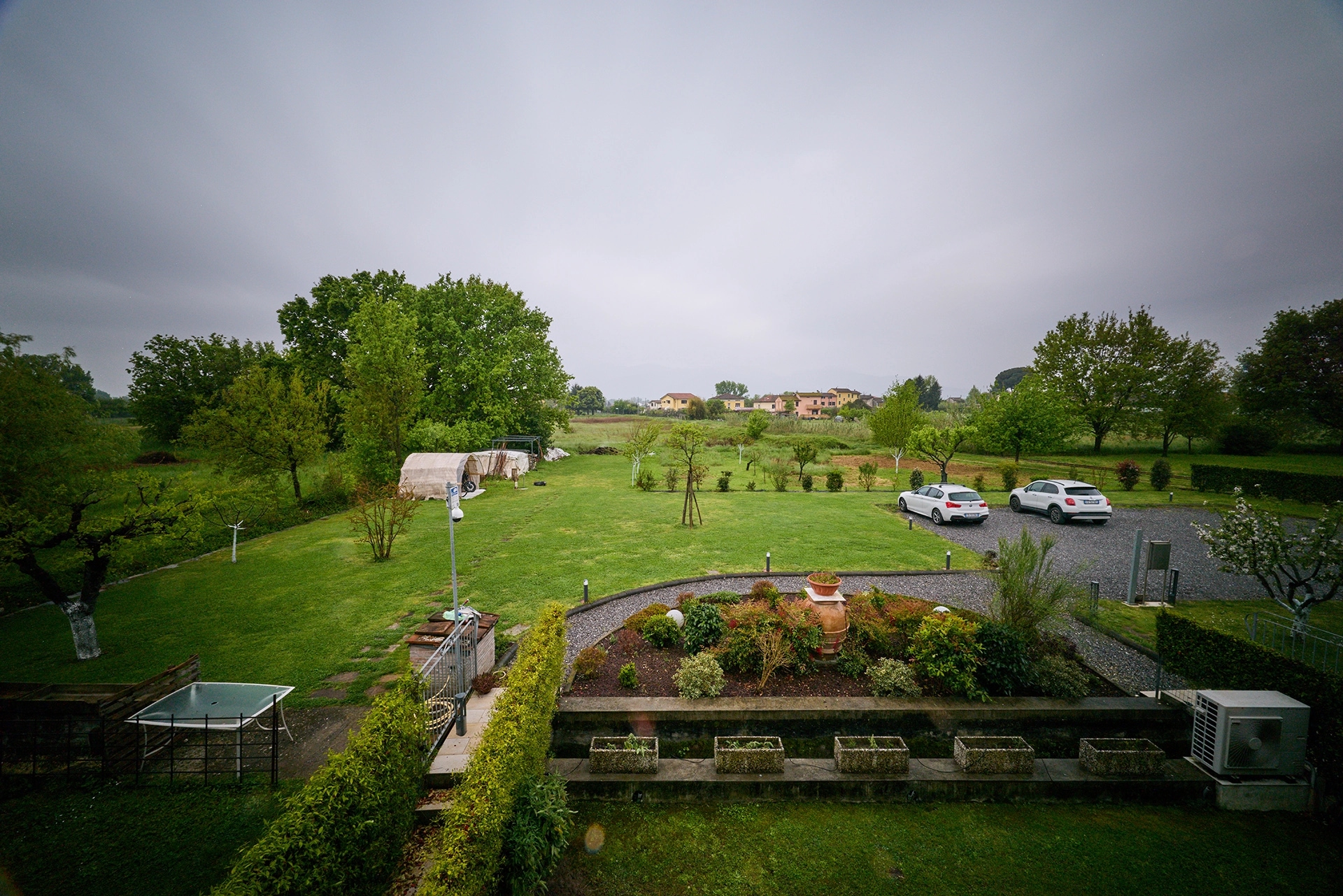
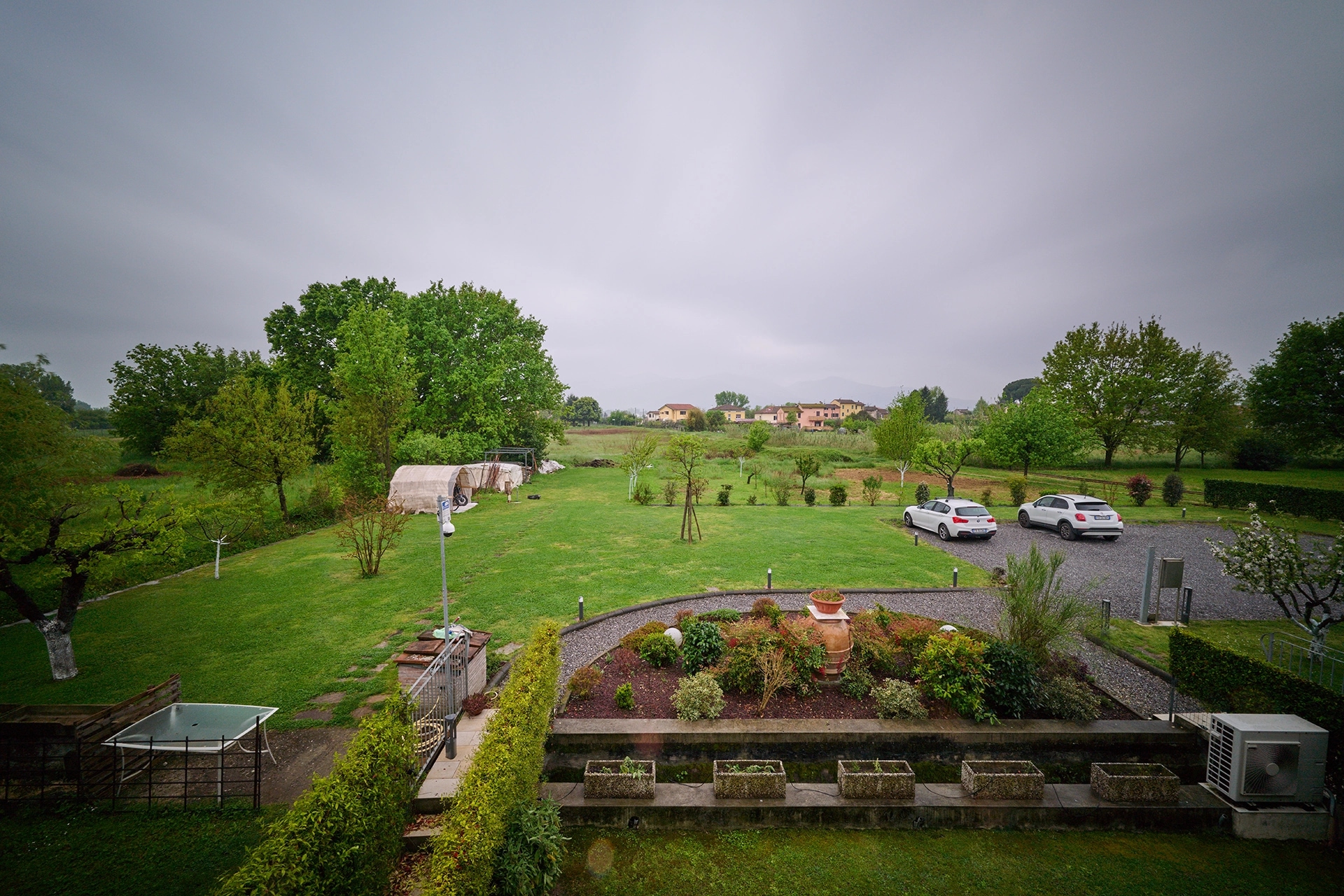
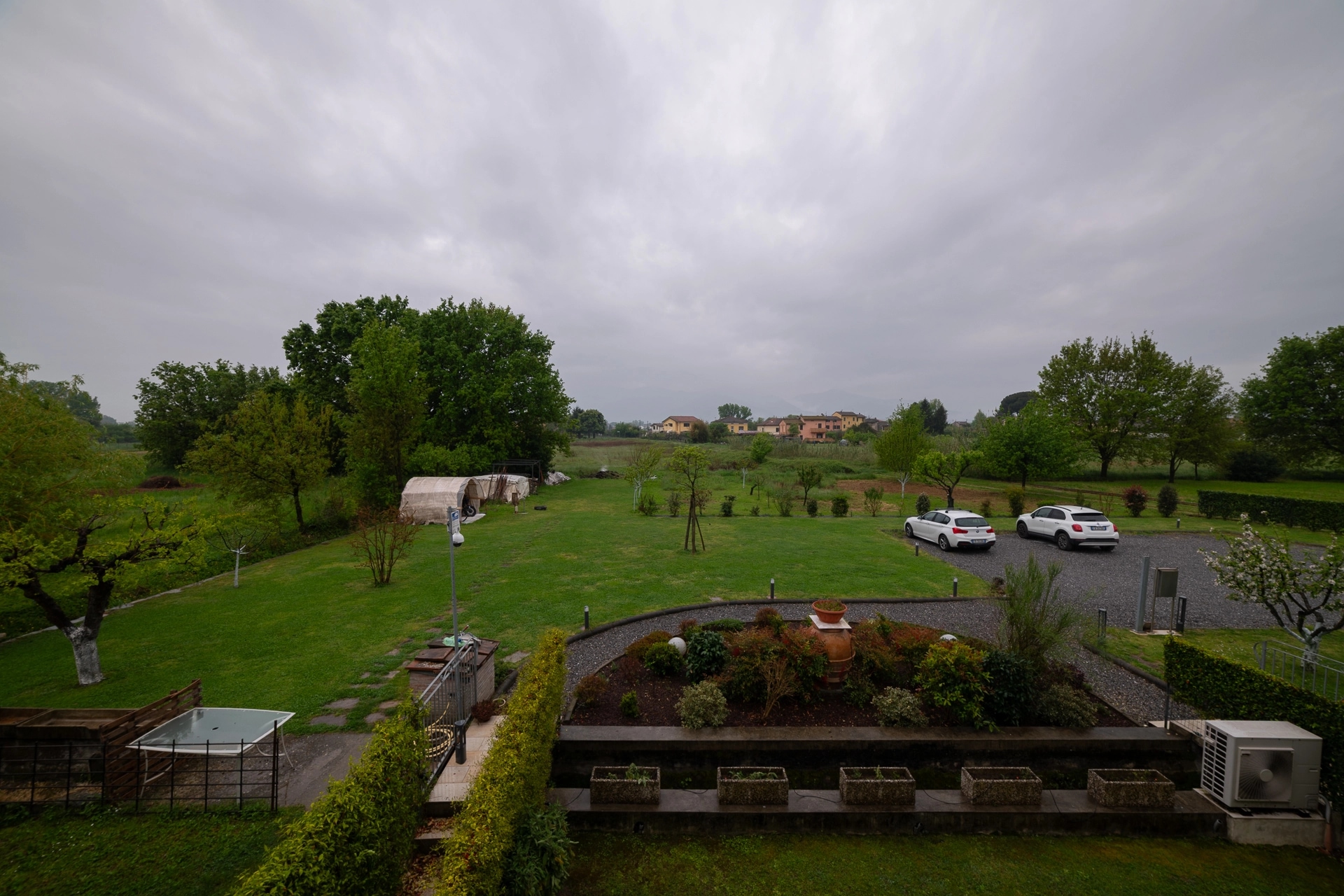
The Canon is actually a bit wider than 14mm in practice. You can see this when you first open the RAW files—there's substantial barrel distortion that gets cropped during correction, but the lens starts with more field of view to compensate. The Nikon is a bit narrower after correction. The Samyang sits in between.
Usable field of view with filters
This is the critical comparison. When you mount filters—which landscape photographers do constantly—the usable portion of the frame changes based on vignetting.
Here's the maximum usable area of each frame after geometric correction, with the best filter setup I could achieve for each lens:
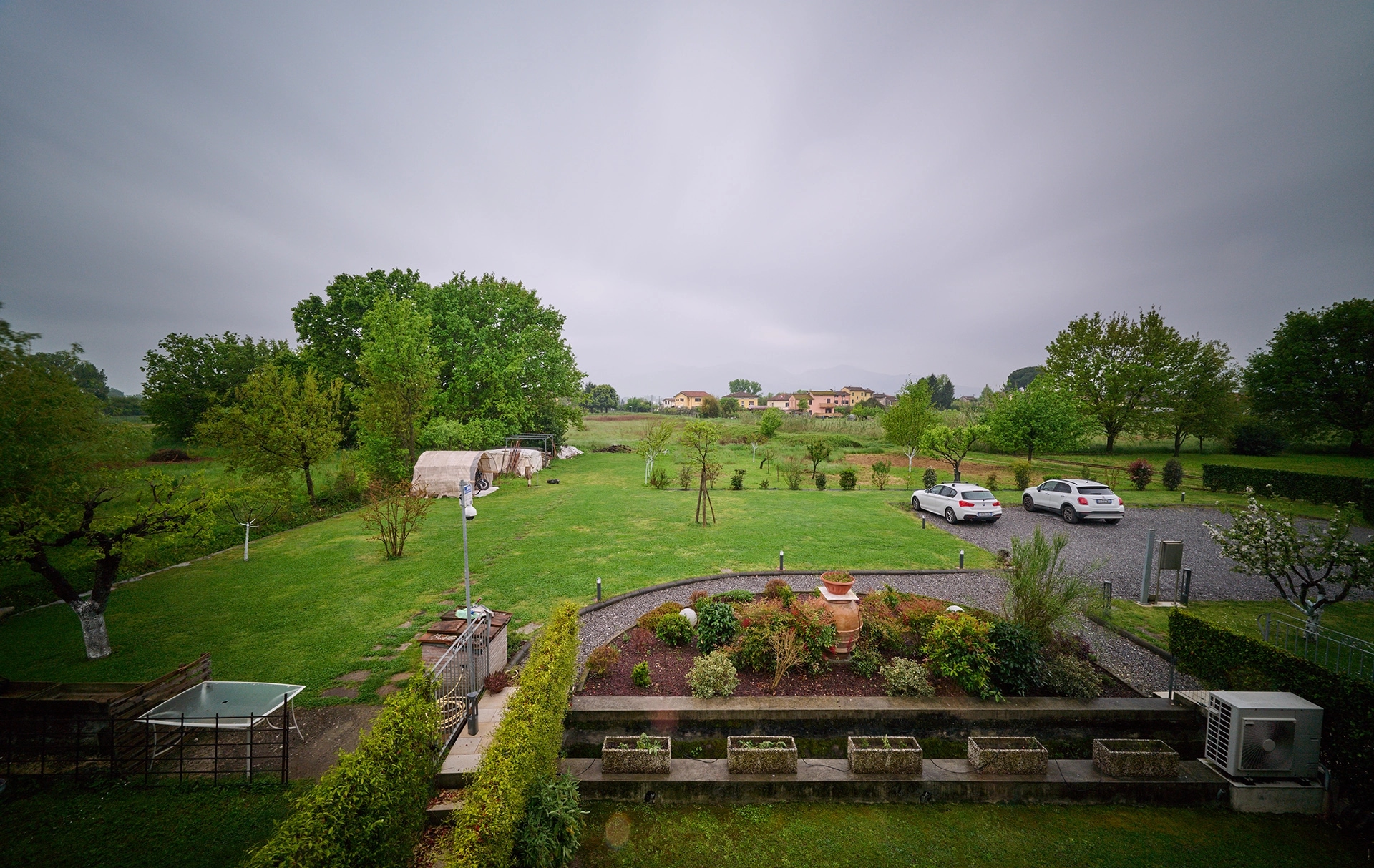
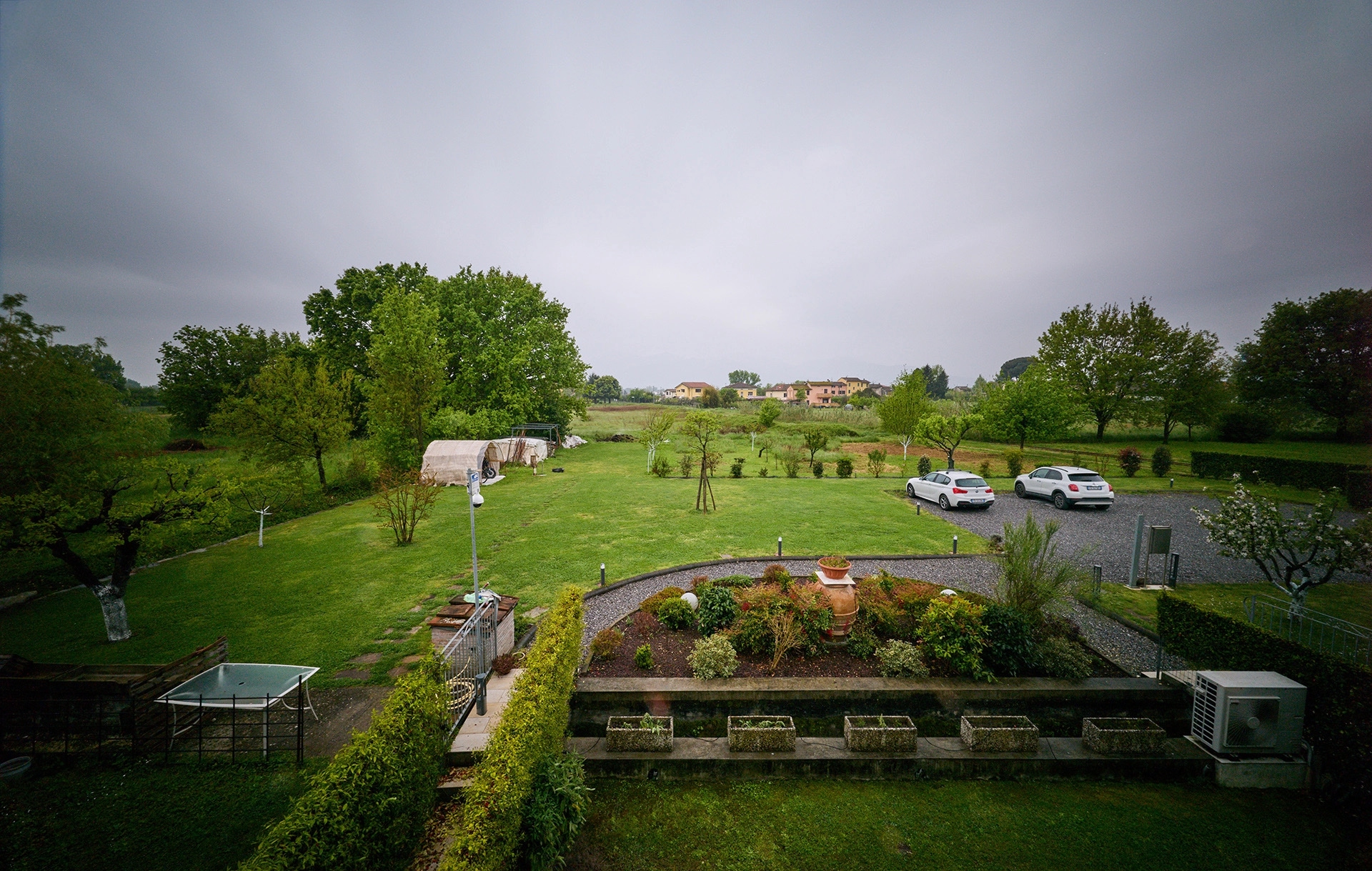
The two lenses end up surprisingly close in usable field of view. The Canon is wider before filters, but the Nikon's filter compatibility advantage narrows the gap significantly. Both are extremely sharp—any sharpness differences in these comparison shots likely come from sensor differences (anti-aliasing filter presence) rather than the optics themselves.
Distortion comparison
Both lenses have substantial barrel distortion at 14mm, corrected automatically in camera or post-processing software. Interestingly, the Nikon 14-30mm actually has more distortion than the Canon 14-35mm:
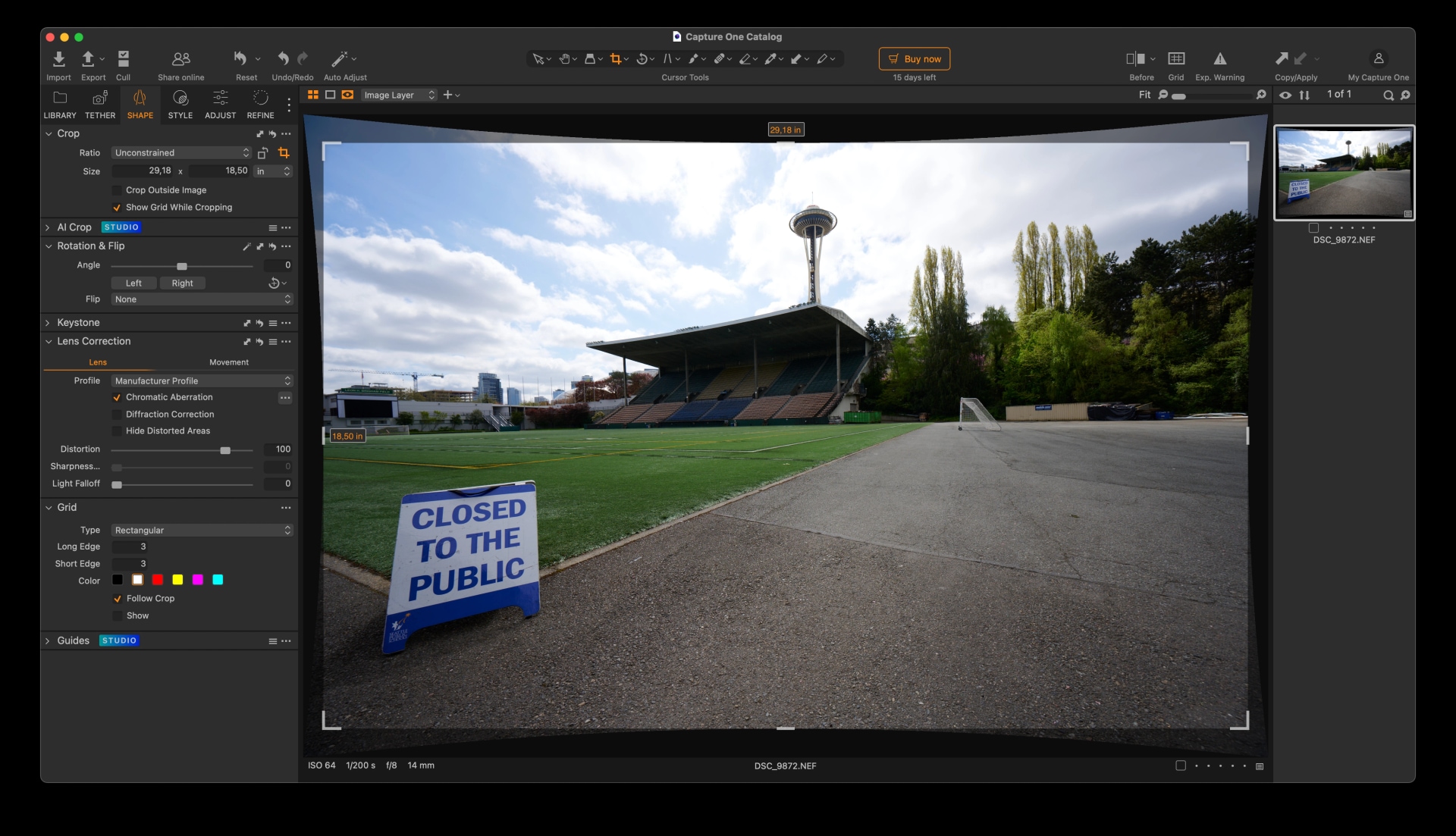
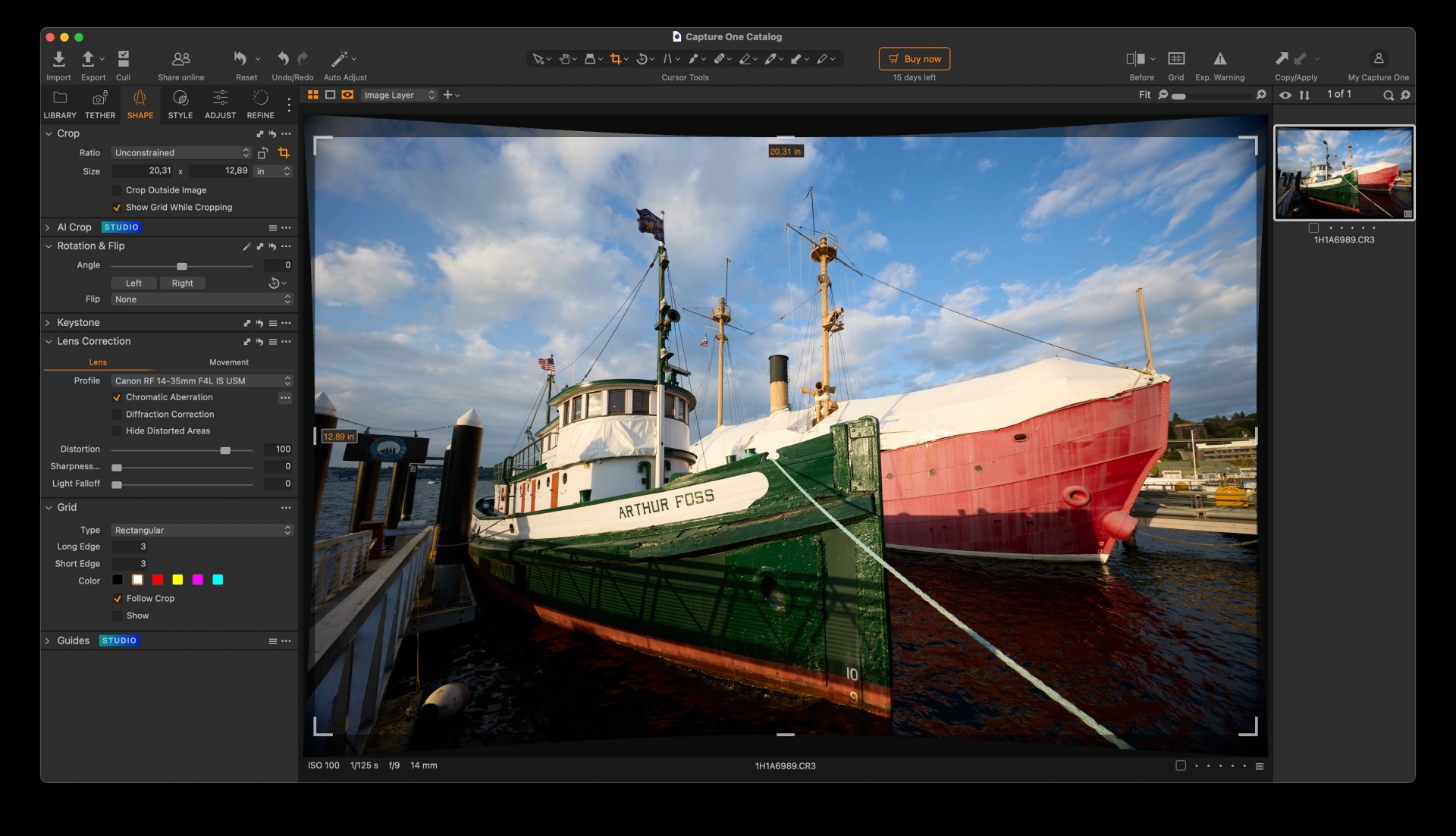
This matters if you shoot wide panoramic crops—more distortion means more pixels lost at the edges after correction. In practice, Capture One handles both lenses well and can recover wider crops than Lightroom for both.
Modern ultra-wide lenses rely on software correction to achieve their field of view and edge sharpness. The Canon controls distortion slightly better optically, but both lenses depend on profile-based correction to deliver the final image. It's a design choice—allow more distortion optically to achieve other goals like sharpness, size, or filter thread accommodation.
Why I didn't choose Sony FE 12-24mm f/4
Let me be clear about what makes the Sony 12-24mm f/4 tempting:
The advantages are real:
- Wider range: 12-24mm vs 14-30mm. That extra 2mm at the wide end makes a noticeable difference. 12mm is substantially wider than 14mm for ultra-wide composition.
- Excellent optical reputation: Sony's G-series lenses are known for outstanding sharpness and minimal aberrations. By all accounts, this lens performs exceptionally.
- Lighter than expected: At 565g, it's only 80g heavier than the Nikon 14-30mm despite going 2mm wider. That's impressive optical engineering.
- Would work on Nikon Z8: Via a Megadap ETZ21 adapter (around 150 euros), the lens would have full autofocus capability on my Nikon body. The autofocus wouldn't match Canon's performance, but it would work fine for landscape photography on a tripod.
The dealbreaker: no filter threads
The Sony FE 12-24mm f/4 has no filter threads at all. The front element is bulbous and protrudes, making standard screw-in filters impossible.
For landscape photographers who regularly use:
- 10-stop ND filters for long exposures (water, clouds, motion blur)
- Graduated ND filters for dynamic range management (bright sky, darker foreground)
- Circular polarizers for controlling reflections and sky saturation
This eliminates the lens from consideration. The only solution is upgrading to a 150mm filter system, which means:
Dramatically increased system cost:
- Sony lens: ~1200 euros
- Megadap adapter: ~150 euros
- NiSi S6 150mm filter system: ~1,600-2,000 euros (vs V7 100mm at ~850-1,000 euros)
- Total lens + adapter + filters: ~2,950-3,350 euros
- Compare to: Nikon 14-30mm (~800 euros) + existing NiSi V7 100mm system (~850-1,000 euros) = ~1,650-1,800 euros
You're spending nearly double to get the Sony system working with filters.
Significantly more weight and bulk:
- NiSi S6 150mm system: ~1.3-1.6 kg (vs V7 100mm at ~650-750g)
- That's an extra 600-850 grams just for the filter system
- Sony lens is 565g vs Nikon at 485g (another 80g difference)
- Total extra weight: ~680-930 grams for the Sony setup
- For travel landscape photography where you're hiking with gear, nearly a kilogram of extra weight is significant
Less practical for multi-lens workflows:
- If you own multiple lenses with different filter thread sizes, the 100mm system works across all of them with simple adapter rings
- The 150mm system only works with lenses that require it—you'd need to carry both systems or compromise
For photographers who don't use filters regularly, the Sony 12-24mm f/4 might be worth considering—that extra width is genuinely useful for ultra-wide compositions. But if long exposure filters are a core part of your landscape process, the filter incompatibility is a complete dealbreaker.
The Nikon 14-30mm's 82mm filter compatibility is a massive practical advantage that outweighs any spec sheet advantages the Sony might have.
Conclusion: Nikon Z 14-30mm f/4 wins for travel landscape
After months of field testing with actual filters in real conditions, the Nikon Z 14-30mm f/4 is the clear winner for travel landscape photography.
Why the Nikon wins:
Filter compatibility: Works perfectly with standard 100mm NiSi filter systems. Zero vignetting at 14mm with 82mm screw-in filters. No special holders, no workarounds, no compromises. For landscape photographers who regularly use 10-stop NDs and graduated filters, this alone is decisive.
Versatility: 14-30mm covers the vast majority of landscape focal lengths. Yes, 12mm is wider, but 14mm is wide enough for most compositions, and having 30mm on the long end adds flexibility.
Image quality: Sharp edge-to-edge, clean files, excellent color rendering. Nikon's lens profiles in Capture One handle the distortion correction well.
Weight: 485g is light for this focal range. Easy to pack for travel, comfortable to use all day.
Cost: Around 800 euros used vs 1200+ euros for Sony or Canon. When you factor in the filter system compatibility, the cost advantage grows even larger.
Native Z mount: No adapter needed, no compatibility concerns, full integration with the camera body.
The Sony FE 12-24mm f/4 might be tempting for its extra width, but the filter incompatibility is a dealbreaker unless you're willing to invest heavily in a 150mm filter system. The Canon RF 14-35mm is excellent optically but requires expensive filter solutions and costs significantly more.
The Nikon Z 14-30mm f/4 just works—and in landscape photography, where you're often working in challenging conditions with limited time to capture light, "just works" matters more than spec sheet advantages.
For building a Nikon Z system that's practical and affordable, this lens is the foundation. It handles the focal range where landscape photography lives, it works with the filters you already own, and it delivers excellent image quality without fighting you at every step.